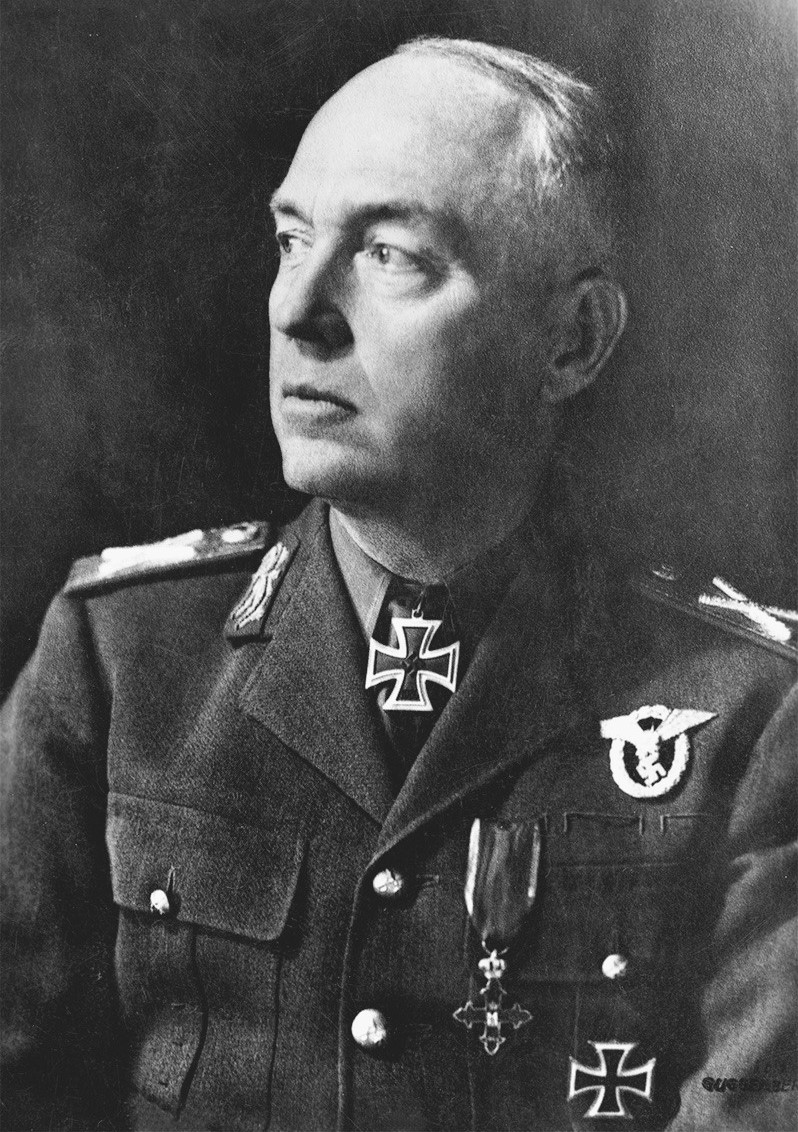
Portrait of Ion Antonescu

Photo: Unknown author Unknown author · Public domain

Born in Romania · Nationality Romanian — dictature militaire / Seconde Guerre mondiale / Axe / Shoah en Roumanie / crimes de guerre

Ion Antonescu

Fiche documentée couvrant 14 controverses, dont « septembre 1940 : obtention de pouvoirs dictatoriaux et abdication de Carol II » et « septembre 1940–janvier 1941 : création du National-Legionary State avec la Garde de fer ».

Are you concerned? Right of reply

Profile No. 2048 · Updated on 12 October 2026

Portrait of Ion Antonescu

Photo: Unknown author Unknown author · Public domain

14Documented controversies+ 2 background events
9Sources
1Formal charge · all time1 followed by a conviction
1Conviction

I. Documented controversies

Case · 9 documented stages

2006–2008 : tentative de révision posthume partielle de la condamnation, finalement rejetée par la Haute Cour

Conviction
01

2006–6 mai 2008

2006–2008 : tentative de révision posthume partielle de la condamnation, finalement rejetée par la Haute Cour

Conviction

Des démarches judiciaires cherchèrent après 1989 à réviser certaines condamnations visant Antonescu et d'autres responsables. Après une décision partielle favorable en appel, la Haute Cour roumaine rejeta définitivement en 2008 la demande de révision.

State of the evidence
Documented

Sources · 1

  1. [1]

Last verified: 14 September 2026

Add to this entry

02

mai–1er juin 1946

1946 : condamné pour crimes de guerre et exécuté

Conviction

Renvoyé en Roumanie par les autorités soviétiques, Antonescu fut jugé par le Tribunal du peuple, reconnu coupable de crimes de guerre et condamné à mort. Il fut exécuté le 1er juin 1946.

State of the evidence
Established by a court
Attribution
Accused

Sources · 2

  1. [1]
    United States Holocaust Memorial MuseumRomaniaArchiveVery high reliability
  2. [2]
    International Commission on the Holocaust in Romania / USHMMFinal Report — International Commission on the Holocaust in RomaniaOfficial documentVery high reliability

Last verified: 14 September 2026

Add to this entry

03

1941–1944

1941–1944 : ghettos, camps et mortalité de masse en Transnistrie sous administration roumaine

Conviction

La Transnistrie administrée par la Roumanie devint un espace de déportation, de ghettos et de camps dans lequel des Juifs roumains et ukrainiens moururent en grand nombre de massacres, famine, froid et maladies.

State of the evidence
Well documented
Attribution
Command responsibility

Sources · 2

  1. [1]
    United States Holocaust Memorial MuseumTransnistria GovernorateArchiveVery high reliability
  2. [2]
    United States Holocaust Memorial MuseumRomaniaArchiveVery high reliability

Last verified: 14 September 2026

Add to this entry

05

23 août 1944

23 août 1944 : arrestation par le roi Michel après refus de rompre immédiatement avec l'Allemagne

Formally charged

Alors que l'Armée rouge avançait, le roi Michel et des responsables politiques firent arrêter Antonescu après l'échec des discussions sur une sortie rapide de la guerre. La Roumanie changea ensuite de camp.

State of the evidence
Well documented
Attribution
Political responsibility

Sources · 1

  1. [1]
    United States Holocaust Memorial MuseumRomaniaArchiveVery high reliability

Last verified: 14 September 2026

Add to this entry

06

juin–septembre 1942

1942 : déportation d'environ 25 000 Roms roumains vers la Transnistrie

Conviction

Le gouvernement roumain déporta vers la Transnistrie environ 25 000 Roms qualifiés de nomades ou sélectionnés selon des critères sociaux et policiers. Beaucoup moururent de faim, de maladie et de mauvais traitements.

State of the evidence
Documented
Attribution
Directly implicated

Sources · 2

  1. [1]
    United States Holocaust Memorial MuseumTransnistria GovernorateArchiveVery high reliability
  2. [2]
    International Commission on the Holocaust in Romania / USHMMThe Role of Antonescu in the Antisemitic and Anti-Roma PoliciesOfficial documentVery high reliability

Last verified: 14 September 2026

Add to this entry

10

19–21 juin 1941

juin 1941 : ordres personnels d'internement et d'évacuation visant les Juifs de Moldavie

Conviction

Quelques jours avant le pogrom de Iași, Antonescu ordonna la constitution de listes de Juifs assimilés à des agents communistes et l'évacuation ou l'internement de populations juives de zones rurales moldaves, notamment d'hommes adultes vers Târgu Jiu.

State of the evidence
Documented
Attribution
Personally implicated

Sources · 1

  1. [1]
    International Commission on the Holocaust in Romania / USHMMThe Role of Antonescu in the Antisemitic and Anti-Roma PoliciesOfficial documentVery high reliability

Last verified: 14 September 2026

Add to this entry

11

27–30 juin 1941

juin 1941 : ordre de « nettoyer Iași de sa population juive » — responsabilité directe dans le pogrom

Conviction

La Commission internationale sur l'Holocauste en Roumanie établit qu'Antonescu ordonna l'évacuation totale de la population juive de Iași et demanda que la ville soit « nettoyée ». Le pogrom et les trains de la mort firent des milliers de victimes.

State of the evidence
Documented
Attribution
Personally implicated

Sources · 2

  1. [1]
    International Commission on the Holocaust in Romania / USHMMThe Role of Antonescu in the Antisemitic and Anti-Roma PoliciesOfficial documentVery high reliability
  2. [2]
    International Commission on the Holocaust in Romania / USHMMFinal Report — International Commission on the Holocaust in RomaniaOfficial documentVery high reliability

Last verified: 14 September 2026

Add to this entry

12

juillet–automne 1941

été–automne 1941 : déportations de Juifs de Bessarabie et de Bucovine vers la Transnistrie dans des conditions meurtrières

Conviction

Le régime Antonescu déporta massivement les Juifs de Bessarabie et de Bucovine vers la Transnistrie. Marches forcées, fusillades, faim, maladie et conditions de détention provoquèrent des dizaines de milliers de morts.

State of the evidence
Documented
Attribution
Command responsibility

Sources · 3

  1. [1]
    U.S. Department of State, Office of the HistorianForeign Relations of the United States, 1941 — Report on deportations from Bessarabia and BukovinaArchiveVery high reliability
  2. [2]
    United States Holocaust Memorial MuseumTransnistria GovernorateArchiveVery high reliability
  3. [3]
    International Commission on the Holocaust in Romania / USHMMFinal Report — International Commission on the Holocaust in RomaniaOfficial documentVery high reliability

Last verified: 14 September 2026

Add to this entry

13

22–25 octobre 1941

octobre 1941 : représailles d'Odessa — ordre de massacres après l'explosion du quartier général roumain

Conviction

Après une explosion qui tua des responsables militaires roumains à Odessa, Antonescu ordonna des représailles massives. Des milliers de Juifs furent pendus, fusillés, brûlés ou tués dans des bâtiments dynamités à Odessa et Dalnyk.

State of the evidence
Documented
Attribution
Command responsibility

Sources · 2

  1. [1]
    United States Holocaust Memorial MuseumOdessaArchiveVery high reliability
  2. [2]
    International Commission on the Holocaust in Romania / USHMMFinal Report — International Commission on the Holocaust in RomaniaOfficial documentVery high reliability

Last verified: 14 September 2026

Add to this entry

04

octobre 1942–printemps 1944

1942–1944 : arrêt de nouvelles grandes déportations juives et autorisation progressive de retours depuis la Transnistrie

No legal proceedings

À mesure que la guerre tournait au détriment de l'Axe et sous l'effet de multiples pressions, le régime Antonescu cessa les grandes déportations de Juifs vers la Transnistrie et permit ensuite le retour d'une partie puis de l'ensemble des survivants déportés.

State of the evidence
Documented
Attribution
Directly implicated

Sources · 2

  1. [1]
    United States Holocaust Memorial MuseumTransnistria GovernorateArchiveVery high reliability
  2. [2]
    United States Holocaust Memorial MuseumRomaniaArchiveVery high reliability

Last verified: 14 September 2026

Add to this entry

07

été–automne 1942

1942 : préparation d'une déportation des Juifs du Regat vers les centres de mise à mort nazis, finalement abandonnée

No legal proceedings

Les autorités roumaines négocièrent avec les Allemands un projet de déportation des Juifs des provinces centrales de Roumanie vers les centres de mise à mort. Le projet fut finalement suspendu puis abandonné.

Attribution
Directly implicated

Sources · 2

  1. [1]
    United States Holocaust Memorial MuseumRomaniaArchiveVery high reliability
  2. [2]
    International Commission on the Holocaust in Romania / USHMMFinal Report — International Commission on the Holocaust in RomaniaOfficial documentVery high reliability

Last verified: 14 September 2026

Add to this entry

08

septembre 1940–janvier 1941

septembre 1940–janvier 1941 : création du National-Legionary State avec la Garde de fer

No legal proceedings

Antonescu gouverna d'abord en coalition avec la Garde de fer, mouvement fasciste et antisémite, dans le cadre de l'État national-légionnaire. La Garde devint la seule organisation politique légalement reconnue.

State of the evidence
Well documented
Attribution
Political responsibility

Sources · 1

  1. [1]
    International Commission on the Holocaust in Romania / USHMMFinal Report — International Commission on the Holocaust in RomaniaOfficial documentVery high reliability

Last verified: 14 September 2026

Add to this entry

09

21–23 janvier 1941 et suites

janvier 1941 : écrasement de la rébellion légionnaire puis consolidation d'une dictature militaire personnelle

No legal proceedings

Après une rupture avec la Garde de fer, Antonescu utilisa l'armée pour réprimer sa rébellion. Il élimina ensuite les légionnaires du pouvoir et dirigea la Roumanie sans véritable pluralisme politique.

State of the evidence
Well documented
Attribution
Command responsibility

Sources · 1

  1. [1]
    International Commission on the Holocaust in Romania / USHMMFinal Report — International Commission on the Holocaust in RomaniaOfficial documentVery high reliability

Last verified: 14 September 2026

Add to this entry

14

4–6 septembre 1940

septembre 1940 : obtention de pouvoirs dictatoriaux et abdication de Carol II

No legal proceedings

Dans la crise provoquée par les pertes territoriales de 1940, le général Ion Antonescu obtint les pleins pouvoirs et força Carol II à abdiquer au profit de Michel Ier. Antonescu devint Conducător et concentra l'essentiel du pouvoir exécutif.

State of the evidence
Well documented
Attribution
Directly implicated

Last verified: 14 September 2026

Add to this entry

II. Documented background

Documented biographical or institutional milestones (elections, appointments, foundings, acquisitions…). These are not controversies and are not counted as such.

  1. 22 juin 1941–1944

    juin 1941 : entrée dans l'opération Barbarossa puis poursuite de la guerre au-delà du Dniestr

    Antonescu engagea la Roumanie aux côtés de l'Allemagne dans l'invasion de l'Union soviétique. La récupération de la Bessarabie et du nord de la Bucovine fut le motif initial affiché, mais les forces roumaines poursuivirent la guerre au-delà du Dniestr jusque profondément en territoire soviétique.

    Sources · 2
    1. AGERPRES — Armata Română a intrat în război împotriva Uniunii Sovietice
    2. U.S. Department of State, Office of the Historian — Foreign Relations of the United States, June 22, 1941 — Romania enters war against USSR
  2. 23 novembre 1940

    novembre 1940 : adhésion de la Roumanie au Pacte tripartite et alignement sur l'Axe

    Sous Antonescu, la Roumanie adhéra au Pacte tripartite et devint l'un des principaux alliés de l'Allemagne nazie sur le front de l'Est.

    Sources · 2
    1. United States Holocaust Memorial Museum — Romania
    2. U.S. Department of State, Office of the Historian — Foreign Relations of the United States, June 22, 1941 — Romania enters war against USSR

III. Constellation of documented links

  • Linked profile (portrait or initials) — click to open it
  • Line width: number of documented references
  • Hover over or tap a line: controversies and sources

Two profiles are linked when a documented controversy of one names the other. The link points to that controversy and its sources; it does not indicate a personal relationship.

List of documented links (2)
  1. Horia Sima1 documented reference
  2. Mihai Antonescu1 documented reference

IV. Has something changed?

A new court decision, a missing source, a mistake? Tell us what should be updated: every request is read by the editorial team.

iPhone and iPad

Install Controversia

  1. Tap Share
  2. then Add to Home Screen

Tap Share, then Add to Home Screen.