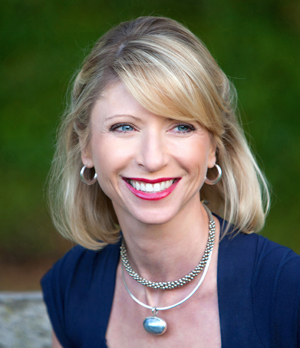
Portrait of Amy Cuddy

Photo: Evgenia (Jenya) Eliseeva · CC BY-SA 3.0 · Wikimedia Commons

Born in United States · Nationality American — Science / health / intellectuals

Amy Cuddy

Documented profile covering 4 controversies, including “Original 'power poses' study: dramatic hormonal and behavioural effects in small sample” and “2015 replication: no effect on hormones or risk-taking”.

Are you concerned? Right of reply

Profile No. 1175 · Updated on 12 October 2026

Portrait of Amy Cuddy

Photo: Evgenia (Jenya) Eliseeva · CC BY-SA 3.0 · Wikimedia Commons

4Documented controversies
5Sources
0Formal charge · all time
0Conviction

I. Documented controversies

01

2016–2018

2016–2018: Dana Carney disavows robust effects while Cuddy defends narrower version supported by meta-analyses

No legal proceedings

Dana Carney, lead author of the 2010 paper, publicly stated in 2016 that she no longer believed 'power posing' effects were real in the broad form originally presented. Critical statistical analyses also challenged the literature. Cuddy rejected the idea that the entire phenomenon had been 'debunked' and refocused her defence on psychological effects, notably feelings of power.

State of the evidence
Documented
Attribution
Directly implicated

Sources · 2

  1. [1]
    Comprehensive Results in Social PsychologyA Bayesian model-averaged meta-analysis of the power pose effect: the case of felt powerAcademic publicationVery high reliability
  2. [2]
    Amy CuddyThe State of the Science — Power PosingStatementMedium reliability

Last verified: 7 September 2026

Add to this entry

02

2015–2018

Job interview study: formal correction published in 2018

No legal proceedings

A 2015 paper involving Cuddy proposed that posture adopted before an interview influenced non-verbal 'presence' and assessed performance. In 2018, the Journal of Applied Psychology published a correction notably concerning degrees of freedom, mediation wording and statistical coefficients.

State of the evidence
Documented
Attribution
Directly implicated

Last verified: 7 September 2026

Add to this entry

03

2015

2015 replication: no effect on hormones or risk-taking

No legal proceedings

A replication study conducted with a much larger sample failed to reproduce the effects of 'power posing' on testosterone, cortisol or risk tolerance. It did find an effect on subjective feelings of power. The result triggered a major public debate over the reliability of the original conclusions and their popularisation.

State of the evidence
Documented

Sources · 1

  1. [1]

Last verified: 7 September 2026

Add to this entry

04

2010

Original 'power poses' study: dramatic hormonal and behavioural effects in small sample

No legal proceedings

The 2010 study co-authored by Amy Cuddy, Dana Carney and Andy Yap claimed that two minutes of expansive body postures increased testosterone, lowered cortisol, strengthened feelings of power and increased risk-taking. With only 42 participants, these striking results subsequently became central to the replication crisis in social psychology.

Attribution
Directly implicated

Sources · 1

  1. [1]
    Psychological Science / PubMedPower posing: brief nonverbal displays affect neuroendocrine levels and risk toleranceAcademic publicationVery high reliability

Last verified: 7 September 2026

Add to this entry

II. Constellation of documented links

No documented link with another published profile for now.

Two profiles are linked when a documented controversy of one names the other. The link points to that controversy and its sources; it does not indicate a personal relationship.

III. Has something changed?

A new court decision, a missing source, a mistake? Tell us what should be updated: every request is read by the editorial team.

iPhone and iPad

Install Controversia

  1. Tap Share
  2. then Add to Home Screen

Tap Share, then Add to Home Screen.