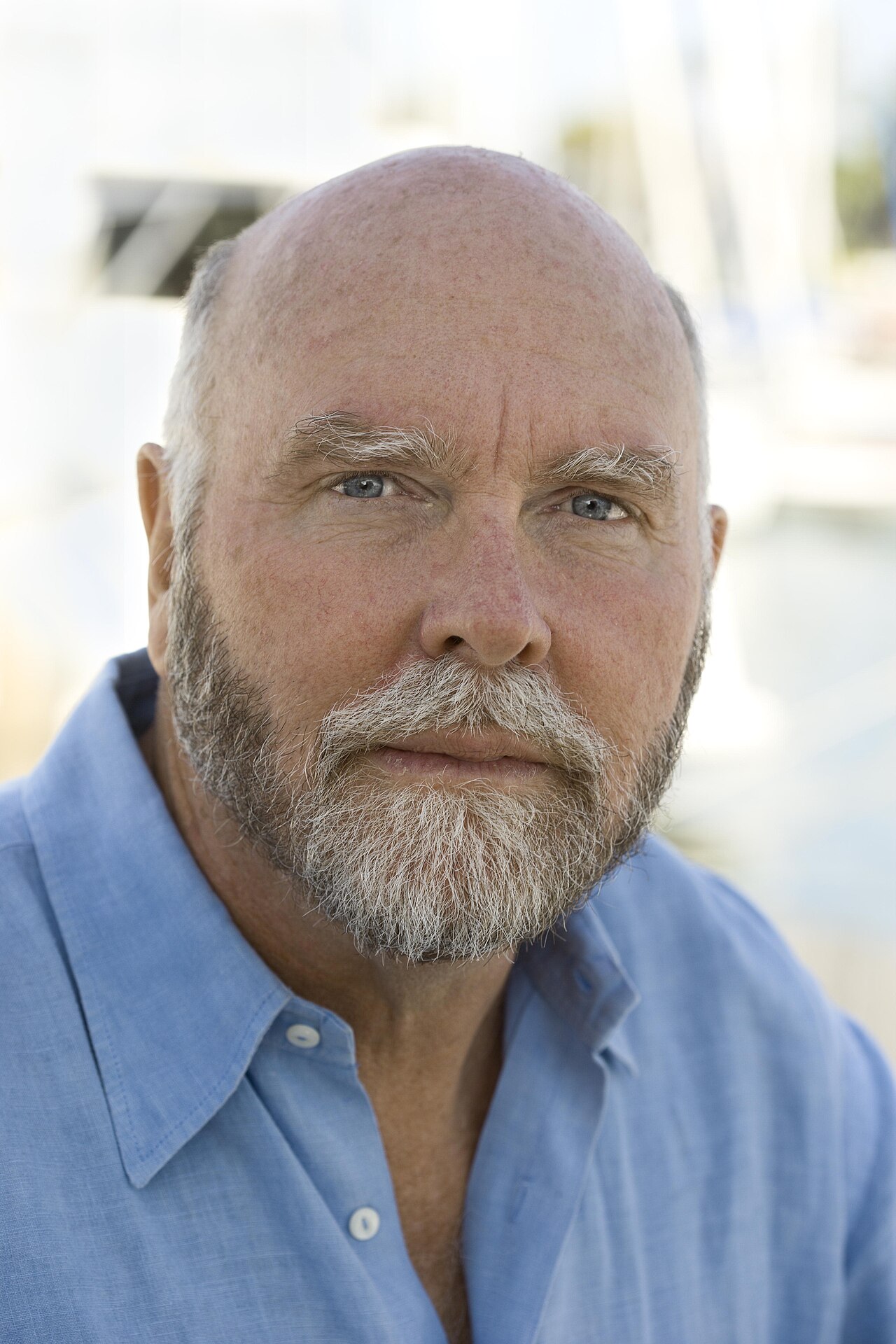
Portrait of Craig Venter

Photo: Article by Liza Gross, but no photo credit given · CC BY 2.5 · Wikimedia Commons

Born in United States · Nationality American — Science / health / intellectuals

Craig Venter

Documented profile covering 10 controversies, including “NIH: patent applications for thousands of ESTs, controversy over patentability of gene fragments” and “Celera versus public consortium: genome race and fears of privatising human genetic data”.

Are you concerned? Right of reply

Profile No. 1169 · Updated on 12 October 2026

Portrait of Craig Venter

Photo: Article by Liza Gross, but no photo credit given · CC BY 2.5 · Wikimedia Commons

10Documented controversies
17Sources
0Formal charge · all time
0Conviction

I. Documented controversies

01

2018

Human Longevity: trade secret theft allegation against his institute, lawsuit dismissed

Civil / administrative proceedings

Human Longevity, a company co-founded by Venter which he had left, sued the J. Craig Venter Institute, alleging that confidential information and trade secrets had been taken and employees recruited away. The complaint was widely interpreted as an attack on Venter, although he was not personally named as a defendant in the original filing.

Last verified: 7 September 2026

Add to this entry

02

2017

Predicting faces from DNA: paper strongly challenged over allegedly exaggerated conclusions

No legal proceedings

A study led by Venter and Human Longevity claimed to be able to identify or reconstruct certain facial and appearance traits from the genome, with major implications for the anonymity of genetic data. Several geneticists considered the conclusions substantially overstated and emphasised that simple variables such as age, sex and ancestry accounted for much of the re-identification capability.

State of the evidence
Documented
Attribution
Directly implicated

Last verified: 7 September 2026

Add to this entry

03

2010

First cell controlled by synthetic genome: criticism of 'artificial life' terminology and biosafety risks

No legal proceedings

In 2010, Venter's team created a bacterial cell controlled by a genome synthesised entirely through chemical methods. The announcement, sometimes presented as the creation of 'artificial life', prompted debate over environmental risks, biosafety and the possibility of producing dangerous organisms.

State of the evidence
Documented
Attribution
Direct responsibility

Sources · 2

  1. [1]
    The GuardianCraig Venter creates synthetic life formMediaHigh reliability
  2. [2]
    PMCSynthetic Biology: Ethics, Safety, and New Life FormsAcademic publicationVery high reliability

Last verified: 7 September 2026

Add to this entry

04

2004–2007

Sorcerer II expedition: 'biopiracy' allegations and disputes over sampling permits

No legal proceedings

Venter's Sorcerer II expedition collected and sequenced marine microorganisms in numerous countries. NGOs and certain governments accused the programme of 'biopiracy', fearing commercial appropriation of genetic resources collected in areas under national sovereignty. Permit difficulties were notably reported in French Polynesia and the Galápagos.

State of the evidence
Documented
Attribution
Direct responsibility

Sources · 2

  1. [1]
    PLoS Medicine / PMCMicrobial Genomics: A Call for Collaborative Solutions to Bioethical ConcernsAcademic publicationVery high reliability
  2. [2]
    WiredVenter’s Voyage of DiscoveryMediaHigh reliability

Last verified: 7 September 2026

Add to this entry

05

2007

'Mycoplasma laboratorium': patent on minimal synthetic organism and accusations of appropriating life

No legal proceedings

A patent application linked to Venter's project to create a minimal synthetic organism triggered opposition from NGOs such as ETC Group, which viewed it as an attempt to monopolise fundamental synthetic biology technologies and cross an ethical boundary by patenting an artificial life form.

State of the evidence
Documented
Attribution
Directly implicated

Sources · 1

  1. [1]
    Cold Spring Harbor Perspectives / PMCSynthetic Biology: The Intellectual Property PuzzleAcademic publicationVery high reliability

Last verified: 7 September 2026

Add to this entry

06

2001–2002

Genome assembly: accusation of reliance on public data, disputed by Venter and co-authors

No legal proceedings

Following publication of the human genome, leaders of the public consortium, including Eric Lander, argued that Celera's reported assembly had relied far more heavily on public data than the company's communications suggested and did not constitute sufficient independent validation of whole-genome shotgun sequencing.

State of the evidence
Documented
Attribution
Directly implicated

Sources · 1

  1. [1]
    Proceedings of the National Academy of SciencesCelera Genomics: The sequencing of the human genomeAcademic publicationVery high reliability

Last verified: 7 September 2026

Add to this entry

07

2002

Abrupt departure from Celera following company's shift towards pharmaceuticals

No legal proceedings

Craig Venter abruptly left the presidency of Celera in January 2002, a few months after publication of the human genome. His departure came as the company was gradually abandoning its genomic data-focused model to move towards drug discovery, and the press reported strategic differences with management.

State of the evidence
Documented
Attribution
Direct responsibility

Sources · 2

  1. [1]
    The Washington PostCelera Genomics’s President ResignsMediaHigh reliability
  2. [2]
    NatureVenter leaves CeleraPressVery high reliability

Last verified: 7 September 2026

Add to this entry

08

1998–2001

Celera versus public consortium: genome race and fears of privatising human genetic data

No legal proceedings

By creating Celera Genomics, Venter launched a private race to sequence the human genome faster than the public consortium, using a business model based partly on databases and intellectual property rights. Public-sector scientists and political officials feared that part of the genome would become inaccessible or that excessively broad patents would be filed.

State of the evidence
Documented
Attribution
Directly implicated

Sources · 2

  1. [1]
    WiredPublic-private genes won’t mixMediaHigh reliability
  2. [2]
    Clinton White House ArchivePress Briefing on First Survey of Entire Human Genome ProjectArchiveVery high reliability

Last verified: 7 September 2026

Add to this entry

09

2000–2001

Genome publication by Science: Celera data access conditions considered too restrictive

No legal proceedings

Science's decision to publish Celera's genome sequence triggered an editorial crisis over data access. Contrary to the usual standards requiring full deposit in public databases, Celera required access through its own website and imposed different conditions on academic and industrial users.

Attribution
Directly implicated

Sources · 1

  1. [1]
    Science / PubMedStorm erupts over terms for publishing Celera's sequencePressVery high reliability

Last verified: 7 September 2026

Add to this entry

10

1991–1992

NIH: patent applications for thousands of ESTs, controversy over patentability of gene fragments

Civil / administrative proceedings

Craig Venter's work on rapid sequencing of 'expressed sequence tags' led the NIH to file patent applications covering thousands of human gene fragments. The strategy triggered international controversy over whether sequences whose full function was unknown could be patented and the risk of obstructing research.

State of the evidence
Documented
Attribution
Directly implicated

Sources · 1

  1. [1]
    NCBI Bookshelf / National AcademiesPatenting the Human GenomeAcademic publicationVery high reliability

Last verified: 7 September 2026

Add to this entry

II. Constellation of documented links

  • Linked profile (portrait or initials) — click to open it
  • Line width: number of documented references
  • Hover over or tap a line: controversies and sources

Two profiles are linked when a documented controversy of one names the other. The link points to that controversy and its sources; it does not indicate a personal relationship.

List of documented links (1)
  1. Eric Lander2 documented references

III. Has something changed?

A new court decision, a missing source, a mistake? Tell us what should be updated: every request is read by the editorial team.

iPhone and iPad

Install Controversia

  1. Tap Share
  2. then Add to Home Screen

Tap Share, then Add to Home Screen.